

 When the Joystick Market Gets Smaller, Agricultural Equipment Manufacturers Feel It First
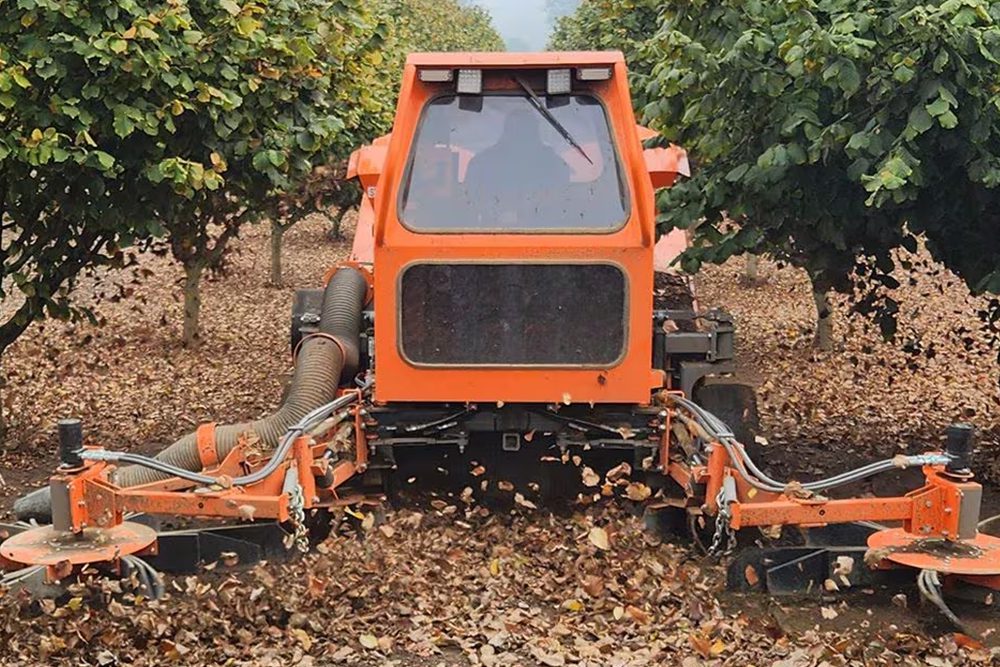
A California nut harvester manufacturer recently came to QP Hydraulics with a problem that’s becoming more common in agriculture: they needed hydraulic joysticks for harvesting equipment, and the supplier landscape had quietly shrunk beneath them.
Hydraulic joystick technology is a maturing category. Most suppliers have exited the market entirely. QP is one of only two companies still actively manufacturing these components, which puts agricultural OEMs in a position they may not have anticipated when designing their machines. The question isn’t just “can we get the part?” It’s “who is actually still making it?”
Why Nut Harvesting Equipment Depends on Hydraulic Joystick Precision
Pistachio harvesters, almond shakers, walnut harvesters and similar equipment operate in demanding field conditions. The operator controls shaking arms, conveyor positioning, and drive functions simultaneously, often on uneven terrain. Precision control isn’t a luxury. A joystick that delivers imprecise feedback or fails to hold up under sustained outdoor use creates real productivity losses during a harvest window that doesn’t wait for anyone.
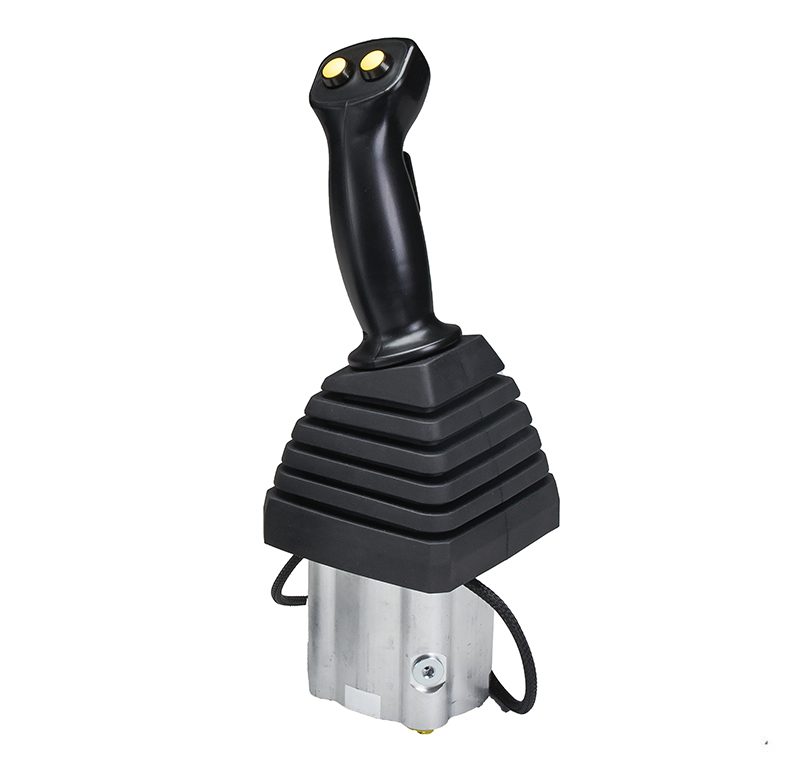
Hydraulic joystick controls in this context need to handle higher operating pressures than standard off-the-shelf units support. This is one of the specific scenarios where QP’s product line is purpose-built for the application. The JSH and JSC hydraulic joystick lines are rated for pressures that exceed conventional catalog options, and QP’s direct drive solution provides a level of speed and control precision that matters when an operator is managing multiple machine functions in real time.
For equipment manufacturers specifying components for new nut harvester designs, or procurement teams replacing existing units, the supply situation is worth understanding before it becomes urgent.
The Two-Supplier Reality and What It Means for Your Supply Chain
When a component category consolidates to two manufacturers, cross-referencing between the two becomes standard practice. QP provides cross-reference support for customers moving from other hydraulic joystick suppliers, including discontinued product lines. If your current or historical supplier is no longer active, QP’s engineering team can assess the application and confirm a compatible replacement.
This matters particularly in agriculture, where equipment often runs for decades and replacement parts need to match performance specifications that were set years or even decades earlier. The alternative is a redesign of the control system, which carries its own cost and timeline implications.
Electric joysticks are the other path. They represent the next generation of operator control and are increasingly specified for new machine designs. QP supports customers through that transition as well. The honest assessment is that electric is not inherently better or worse than hydraulic. It depends entirely on the application, the operating environment, and what the operator needs. Some agricultural environments and duty cycles remain a strong fit for hydraulic. Others are good candidates for electric. QP doesn’t have a stake in pushing one over the other.
What to Actually Ask When Specifying a Joystick for Ag Equipment
Most sourcing conversations start with “do you have a replacement for what I have?” That’s a reasonable starting point, but the more useful conversation covers the full application:
What is the operating pressure range the system runs at? QP’s hydraulic joysticks are rated for higher pressures than standard catalog options, which matters in agricultural hydraulic systems that run at the higher end of the range.
What are the environmental conditions? Nut harvesting happens outdoors, in dusty, debris-heavy environments. Sealing and ingress protection specifications need to match real field conditions, not laboratory assumptions.
What control functions is the operator managing simultaneously? The more complex the control task, the more important ergonomics and response sensitivity become.
How long does this equipment need to last before the next planned maintenance cycle? Total cost of ownership looks different when you factor in downtime during harvest season versus a slow period.
QP’s engineering team can work through all of these questions on a discovery call. Prototypes are typically available in weeks, not months.
Getting the Right Joystick for Your Nut Harvester
If you’re designing new nut harvesting equipment or sourcing replacement joysticks for machines already in the field, the starting point is understanding what operating pressure and control requirements your system actually demands. From there, QP can confirm whether a standard product fits or whether a custom-engineered solution is the better path.
Schedule a discovery call to start the discussion.